For an architectural practice, planning consultancy or interior design studio, your website is judged through a sharper lens than almost any other profession. Prospective clients—whether private homeowners commissioning a bespoke residence, commercial developers assembling a consultant team, or local authority procurement leads—arrive expecting spatial clarity, typographic discipline and photography that does justice to the built work. Yet many practice websites undermine their own reputation with sluggish off-the-shelf portfolio templates, jittery full-screen sliders and navigation that hides the practical information a client needs before making an enquiry.
From our studio in Liverpool, Ambos Digital partners with organisations across the built environment, housing and construction sectors to design and build bespoke websites that balance refined visual restraint with technical speed. Rather than forcing architectural work into rigid, image-heavy themes, our custom web design approach treats photography, technical drawings, sector credibility and client enquiries as one cohesive experience.
Why Generic Portfolio Templates Let Architectural & Planning Practices Down
Many practices start out with a mass-market creative template because the demo looks minimal on a fast office fibre connection. Once real project galleries, partner biographies, planning case studies and news updates are added, three structural cracks quickly appear:
- Bloated Scripts & Slow Mobile Rendering: Generic portfolio themes bundle oversized animation libraries, heavy page builders and unoptimised carousel scripts. When a developer or homeowner opens a case study on a mobile connection while walking a site, full-bleed imagery stalls or jumps around as it loads.
- Image-Only Layouts That Lack Commercial Context: Templates designed for photographers rarely accommodate the nuance of architecture and planning. Prospective clients do not just want pretty pictures; they want to know the sector typology, planning constraints, site context, RIBA stage delivery, sustainability standards and approximate project scale.
- Awkward Pathways for Multi-Disciplinary Studios: Practices that combine RIBA architecture, town planning, heritage consultancy and interior architecture often struggle to signpost these services clearly. Visitors end up clicking aimlessly through uncategorised grid tiles without understanding whether the studio handles residential extensions, commercial masterplanning or conservation work.
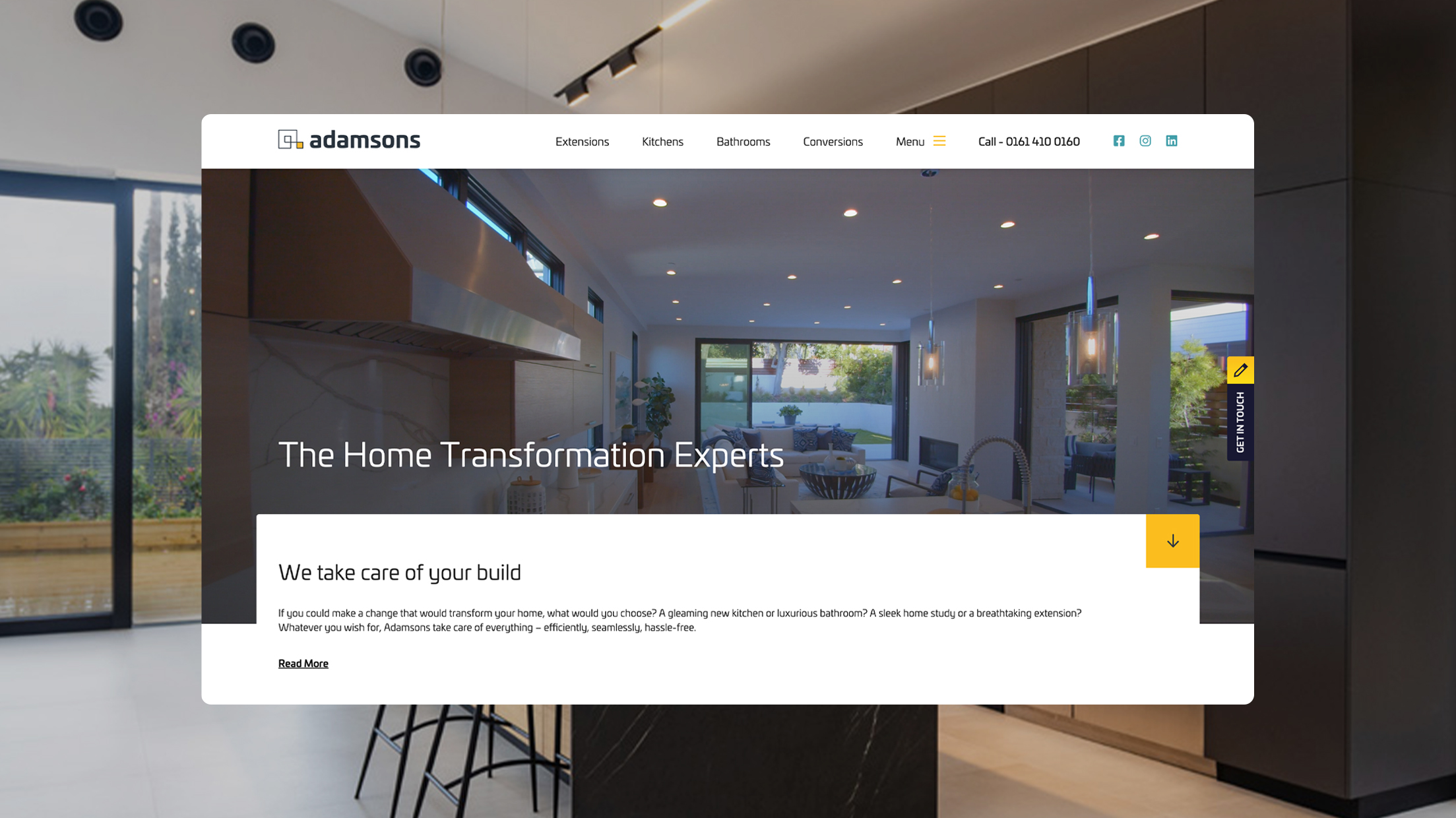
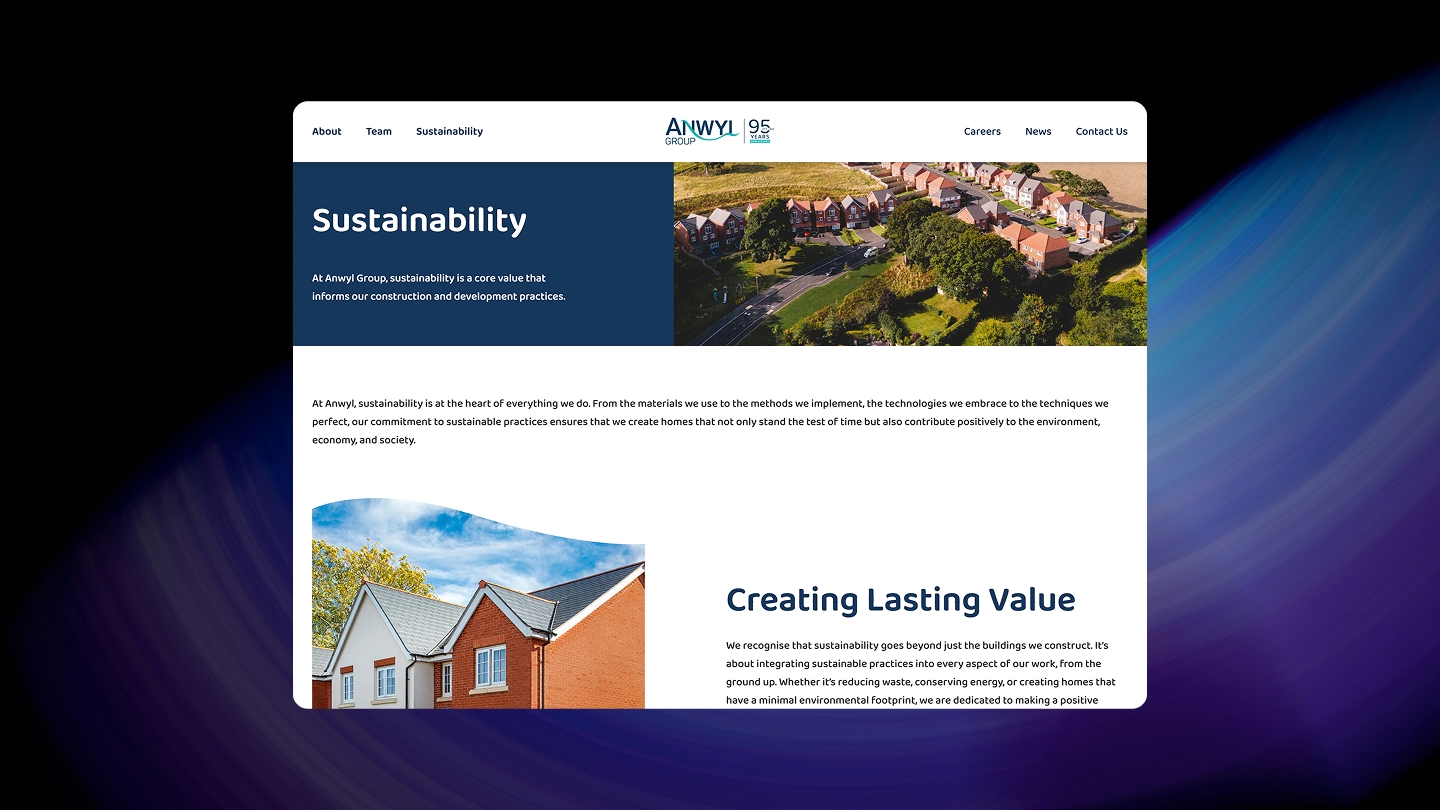
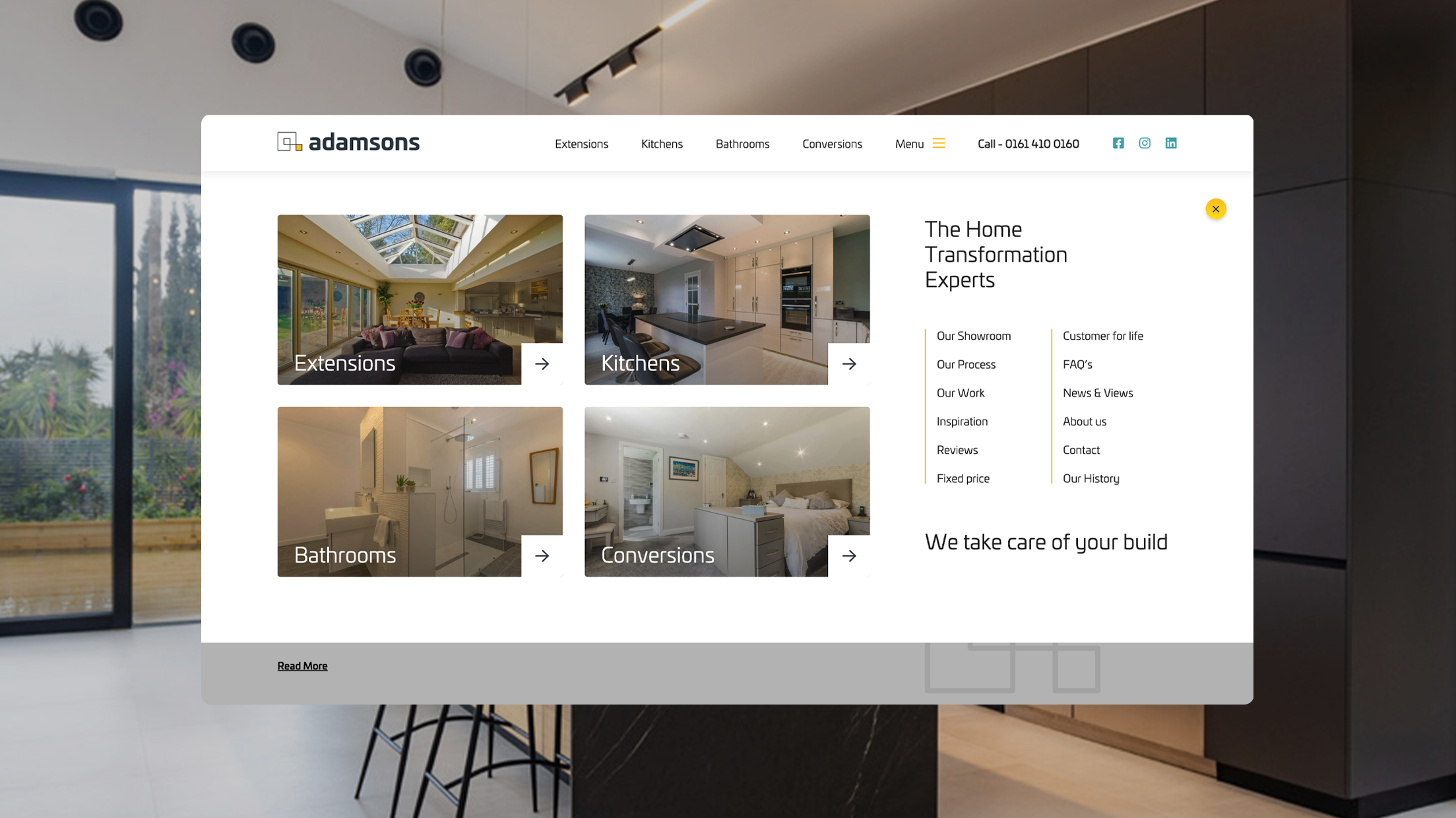
Across our built-environment portfolio—from regional property groups like Anwyl Group to specialist contracting and commercial brands like Adamsons—the highest-performing bespoke websites pair generous visual breathing room with disciplined project metadata. Clients can admire the craft immediately while scanning key project facts in seconds.
Structuring Project Case Studies, Drawings & Typology Filters
An effective architectural or interior design portfolio works equally well for someone browsing visually and for a technical decision-maker conducting due diligence. On a bespoke website, every project case study follows a deliberate editorial rhythm rather than dumping twenty photographs onto a blank canvas:
- Instant Typology & Discipline Filtering: Visitors should be able to filter projects cleanly by sector (Residential, Commercial, Hospitality, Education, Heritage & Conservation, Mixed-Use) or discipline (Architecture, Planning, Interior Design, Urban Design) without triggering slow, full-page reloads.
- Structured Project Specification Strip: At the top of each case study, a clean tabular summary captures location, client or developer, sector, floor area, completion year, planning authority or RIBA stages delivered, and any RIBA, Civic Trust or BIID awards.
- Narrative Paired with Drawings & Plans: High-resolution completion photography gains far more authority when paired with site plans, section drawings, before-and-after conservation context, material palettes and a concise summary of how planning hurdles or budget parameters were resolved.
For planning consultants in particular, where outcomes are measured in consented schemes, appeals won and Environmental Impact Assessments coordinated rather than interior styling, this structured approach turns complex planning histories into clear, persuasive proof of capability.
High-Resolution Photography & Architectural Drawings That Load Fast
Architects and interior designers rightly refuse to compromise on image quality. Banded skies, soft brickwork textures or compressed joinery details immediately cheapen the work. Fortunately, sharp photography and rapid page speeds are not opposites—they simply require proper front-end engineering rather than plugin guesswork.
When we engineer a bespoke website through our custom web development workflow, high-resolution galleries are built for speed from the ground up:
- Next-Generation Formats & Responsive Sizing: Original studio photographs are automatically served in lightweight WebP or AVIF formats at multiple breakpoints, so a 4K desktop monitor receives crisp full-width imagery while a smartphone downloads a fraction of the file weight.
- Zero Layout Shift & Smart Lazy-Loading: Every image container declares explicit aspect ratios before rendering, eliminating jarring page jumps while deferring off-screen gallery images until the visitor scrolls down the case study.
- Edge-Cached UK Infrastructure: Backed by our managed UK website hosting and Cloudflare edge caching, large visual portfolios and downloadable capability brochures are served rapidly across the UK without waiting on sluggish shared servers.
Bespoke Web Design vs Off-the-Shelf Architecture Templates
Choosing between a pre-built portfolio theme and a bespoke website comes down to how accurately your digital presence reflects the calibre of your studio—and how easily your team can maintain it over the next five years.
| Area | Typical Off-the-Shelf Portfolio Template | Bespoke Website by Ambos | Impact for Your Practice |
|---|---|---|---|
| Visual & Editorial Identity | Same grid, hover effects and font pairings shared by hundreds of studios | Custom grid proportions, typography and colour hierarchy built around your practice | Distinctive first impression that matches the standard of your built work |
| Gallery & Drawing Speed | Heavy slider plugins and uncompressed uploads that stall on mobile data | Responsive WebP/AVIF sizing, zero layout shift and managed UK edge caching | Pin-sharp photography and elevation drawings that open almost instantaneously |
| Case Study Structure | Generic blog posts or rigid image grids with little room for planning context | Tailored project fields for typology, RIBA stages, location, brief and awards | Commercial clients and homeowners quickly qualify your relevant experience |
| Accessibility & Tenders | Low-contrast grey text, inaccessible lightboxes and missing keyboard navigation | WCAG 2.2 AA contrast, semantic headings and keyboard-friendly galleries | Meets public-sector framework and housing association procurement checks |
| In-House Updates | Fragile drag-and-drop blocks where one edit breaks mobile alignment | Clean, locked editorial fields tailored to your studio team | Practice managers and architectural assistants publish new schemes in minutes |
Clear Planning Pathways, Studio Profiles & Tender-Ready Enquiries
Beyond the portfolio itself, a high-performing practice website removes ambiguity for clients who may never have appointed an architect or planning consultant before. Dedicated service pages should explain your process in plain, grounded language—whether that means outlining RIBA Work Stages 0 to 7 for private residential clients, detailing pre-application engagement and Section 106 strategy for land promoters, or presenting FF&E procurement and spatial planning for hospitality interiors.
Equally important are approachable studio and leadership profiles. Clients commission people they trust to guide complex budgets and planning negotiations for months or years. Pairing partner portraits with ARB, RIBA, RTPI or BIID credentials, sector specialisms and direct studio contact details builds immediate confidence before an introductory call.
Accessibility and governance also play a quiet but decisive role in commercial growth. Practices bidding for NHS trusts, university estates, local authorities or registered social housing providers are routinely assessed on digital inclusivity. Building your bespoke website to WCAG 2.2 AA standards—with legible contrast, descriptive alternative text on architectural imagery and keyboard-accessible navigation—demonstrates thoroughness before a single tender document is opened.
Finally, your enquiry journey should qualify leads without creating friction. Instead of a generic single-box contact form, simple guided fields—such as project type, site location, approximate build or consultancy stage, and optional links to existing planning portal references—route enquiries straight to the right partner or studio office. Combined with clean, fast-loading code and structured local search signals for Liverpool, Manchester, London or nationwide commissions, your website becomes a reliable source of the exact briefs your practice wants to win. To discuss a new bespoke website for your architectural, planning or interior studio, speak with our Liverpool team.