Over the past year, we have seen a positive shift in how founders, marketing directors and our own studio team start new digital projects. Instead of arriving with a rough sketch on the back of an envelope or a 30-page static document, clients increasingly bring an interactive prototype created with tools like Claude Code, Cursor or Lovable — or we use AI assistants internally during discovery to test layout directions in hours rather than weeks.
Used well, AI is a genuinely helpful assistant for exploring ideas quickly. However, there is a vast difference between a clickable prototype that looks convincing on a laptop screen and a fast, secure, search-optimised bespoke website that serves real customers for years. Through our Claude Code to Production Website service, our human designers and developers bridge that gap.
What Early AI Prototyping Tools Do Brilliantly
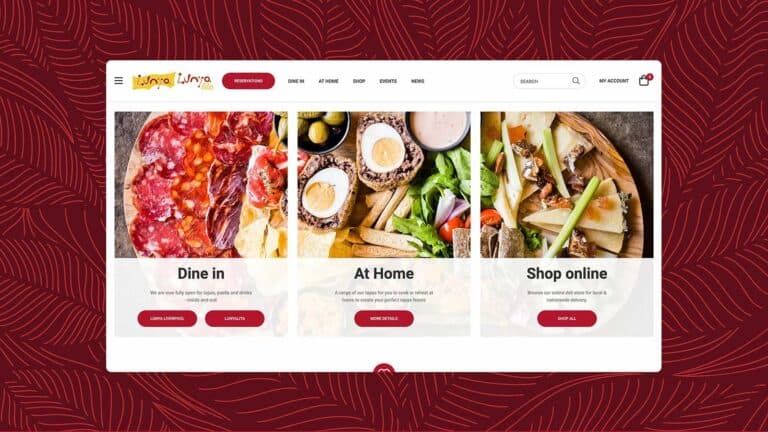
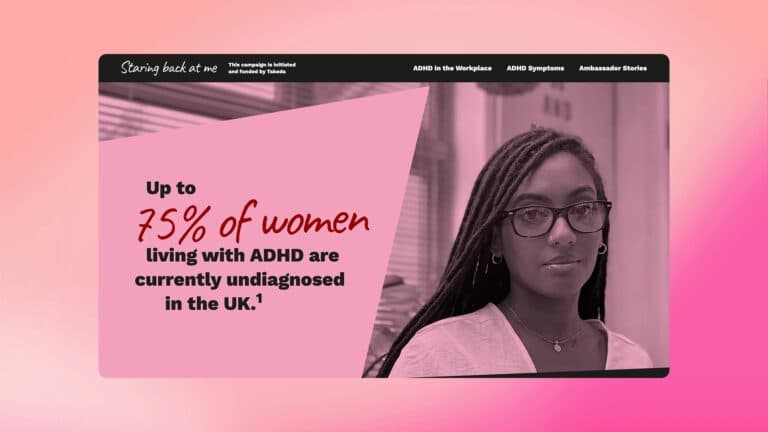
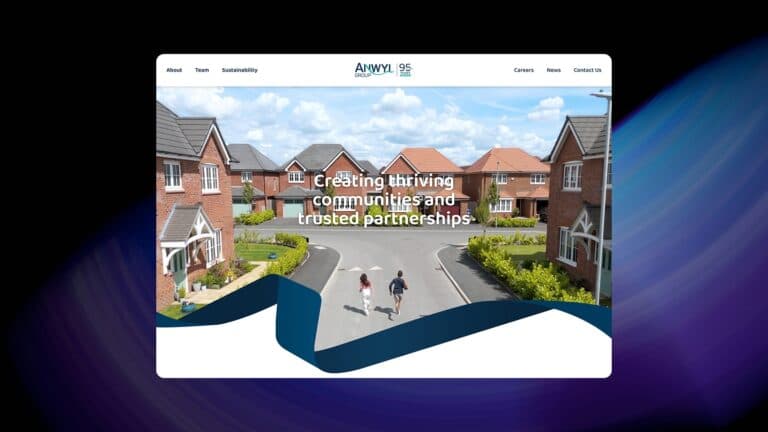
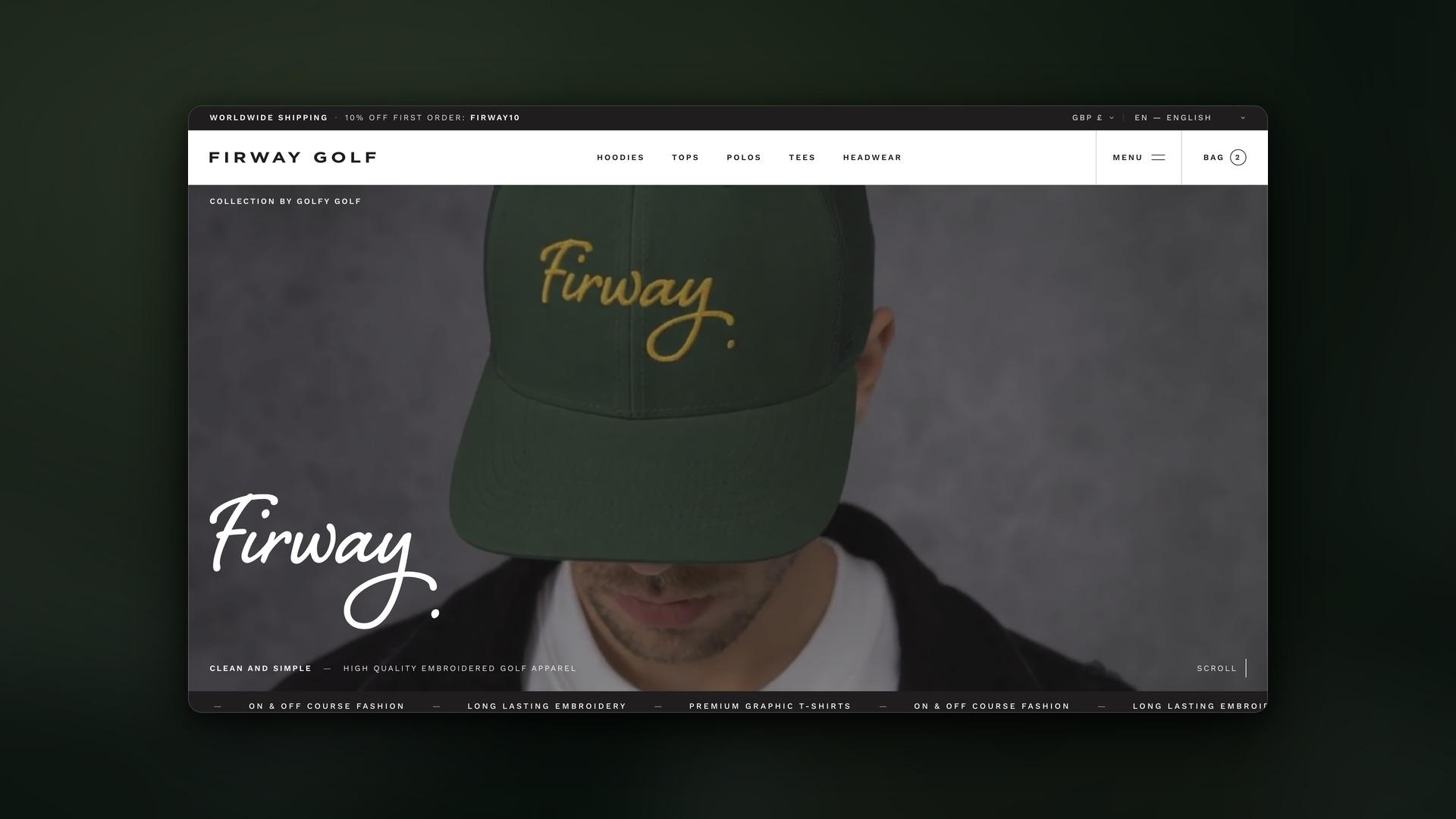
In our own studio workflow — across projects like Firway Golf and Golfy Caddie — we use AI to accelerate the early exploration phase. For founders and project teams, early AI prototyping helps in three practical ways:
- Testing Proposition & Page Flow Early: Seeing real headlines, service structures and call-to-action flows in a browser helps stakeholders agree on direction much faster than debating abstract wireframes.
- Exploring Interactive Concepts: If a site needs a specific filter, pricing comparison table or product finder, AI helps our developers mock up and test the logic quickly before committing to final production code.
- Clearer Briefs Between Client and Studio: When a founder shows us a working prototype, we immediately understand the ambition of the project and can focus our time on design craft and engineering quality.
We view AI as a rapid sketching and research assistant for experienced designers and developers — never a substitute for them. An AI tool can assemble a plausible page in minutes, but human judgement is what makes a brand feel distinctive, trustworthy and effortless to use.
Where Raw AI-Generated Code Falls Short in the Real World
Problems arise when a raw AI-generated prototype is pushed straight onto a live domain as a finished company website. Beneath the surface, raw prototype code almost always suffers from five practical limitations:
- Everything Is Hard-Coded: Text, images, team members and case studies are baked directly into hundreds of lines of code. Non-technical marketing teams cannot update a headline or add a new service page without a developer.
- Lookalike “SaaS Template” Styling: Left to itself, AI defaults to generic gradients, rounded pill badges with glowing dots, and stock layouts that make an established UK business look like an anonymous startup template.
- Missing Technical SEO & Indexing Structure: Single-page JavaScript prototypes often render empty HTML shells to search crawlers, lacking proper canonical tags, XML sitemaps, schema markup and clean URL hierarchies.
- Fragile Mobile & Accessibility Details: Keyboard navigation, screen-reader labels, form validation and responsive tablet breakpoints are frequently incomplete.
- Security & Form Reliability: Contact forms and API keys inside quick prototypes are rarely hardened against spam, rate-limiting or GDPR data handling requirements.
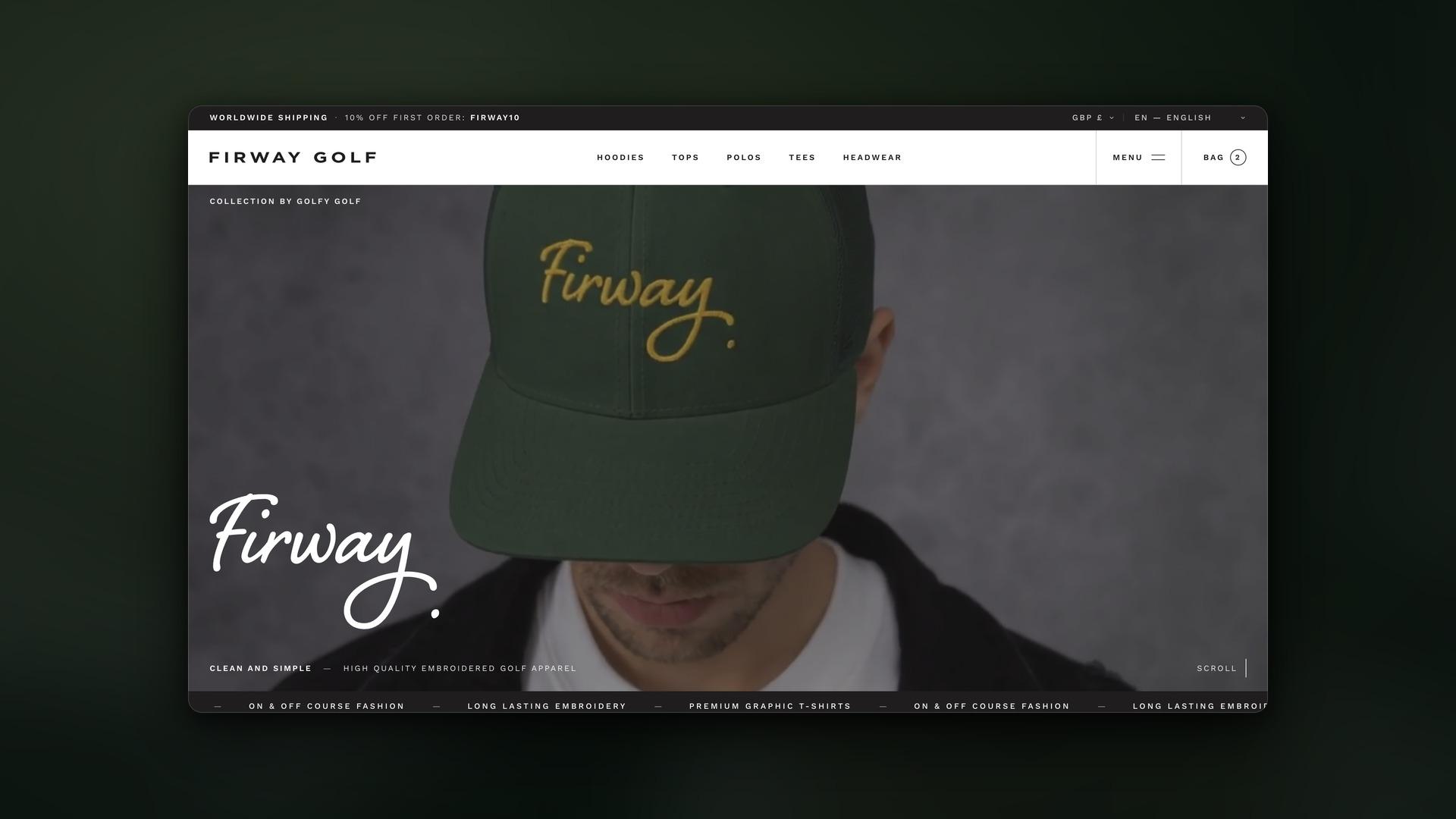
Step 1: Elevating Brand Identity, Typography & User Journeys
When a client brings us an early prototype (or when we move from our own rapid discovery phase into bespoke web design), our first step is human art direction. We strip away the generic AI visual habits and establish a considered typographic hierarchy, purposeful colour discipline, authentic photography and sector-appropriate credibility signals.
| Area | Raw AI Prototype (Claude Code / Lovable) | Bespoke Production Website by Ambos | Why It Matters |
|---|---|---|---|
| Visual & Brand Identity | Generic UI patterns, default fonts & repetitive card boxes | Considered art direction, custom typography & sector-appropriate authority | Your business looks established and distinctive rather than templated |
| Content Editing (CMS) | Hard-coded text inside source files requiring a developer to edit | Clean, structured CMS fields for pages, case studies, team & insights | Your in-house team can update content and add pages anytime |
| Search Visibility (SEO) | Often client-side rendered with missing meta data & sitemaps | Server-rendered semantic HTML, XML sitemaps, schema & fast Core Web Vitals | Google and AI search engines can crawl and rank every page properly |
| Security & Hosting | Temporary sandbox hosting with unmonitored dependencies | Hardened production code on managed UK hosting with daily backups | Long-term reliability, GDPR compliance & peace of mind |
Step 2: Turning Static Code into an Easy-to-Edit Bespoke Website
A company website has to grow with the business. During web development, we rebuild the validated prototype structure into a clean, modular bespoke theme — typically using WordPress for content-led and e-commerce sites so your team gets a familiar, rock-solid editing dashboard without any off-the-shelf plugin bloat.
Instead of fragile drag-and-drop builders, we configure clear editing fields for your services, sector pages, FAQs and team profiles. You get all the speed and polish of a custom-engineered front end with effortless day-to-day content management.
Step 3: Technical SEO, WCAG Accessibility & Managed UK Hosting
Before launch, our developers complete the production engineering work that prototypes skip: full WCAG 2.2 AA accessibility checks, redirect mapping so existing Google rankings are protected, structured JSON-LD schema, reliable enquiry routing, and deployment onto our managed UK cloud hosting backed by Cloudflare edge caching.
Whether you have already built a working prototype in Claude Code that needs turning into a proper production website, or you want a partner who blends modern AI speed with experienced human design and engineering, explore our Claude Code to Website service or get in touch with our Liverpool studio.