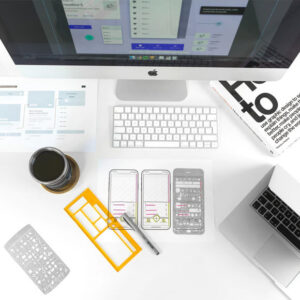
In an increasingly competitive market, it’s not enough to design a website that simply looks nice. It can’t just sit there waiting for visitors, nor can you sit there hoping that some of those visitors will actually buy something or subscribe. Your website needs to work harder to be persuasive, to actively engage visitors. But how can it do that?
How can reflecting your target audience's character boost web design persuasion?
According to an article on Business.com, one of the best ways to boost your website’s power of persuasion is to make it reflect something of the character and interests of the audience you’re trying to win over. This involves time and research, to build up customer personas to such a level that you can deliver an authentic and sincere user experience on your website that will appeal to them. The data you gather on your target customer can inform everything from colour choice, the style of your written content and the visual media you use.
How can web design answer user questions and meet expectations?
To answer user questions and meet expectations, make your website unmistakably and instantly obvious about what you’re about and what you’re selling. For example, the Marshall amps website uses a great quality image of an amp along with clear menu options like ‘products’ and ‘FAQ’ to convey its brand ethos without convoluted text. This reassures visitors they’ve come to the right place by addressing their initial questions: what is it? Will I find the information I need here? Have I come to the right place?
How can employing a strong visual hierarchy improve web design?
This is a simple strategy to understand, but so many brands forget about it when designing a website. The biggest element on a web page stands out to the visitor as the most important thing. So, if you want to encourage someone to buy, do or engage with something, make that the largest element on the page.
How can web design effectively hold user attention?
To effectively hold user attention, keep your most important content right at the top of the page and above the fold, where 80% of user attention is focused. Additionally, make images, especially product images, overlarge and natural-looking, featuring people smiling and interacting. These large, attractive photos are fantastic for capturing and holding a visitor’s attention.
Have you taken steps to make your web design more persuasive, or do you think your current design speaks for itself? Please feel free to share your thoughts.